
2 June 2026 · 9 min read
Preparing Your Site for Coffee Roaster Service
What our engineers need on the day — access, clearance, utilities and paperwork — so your service visit finishes on time and on spec.
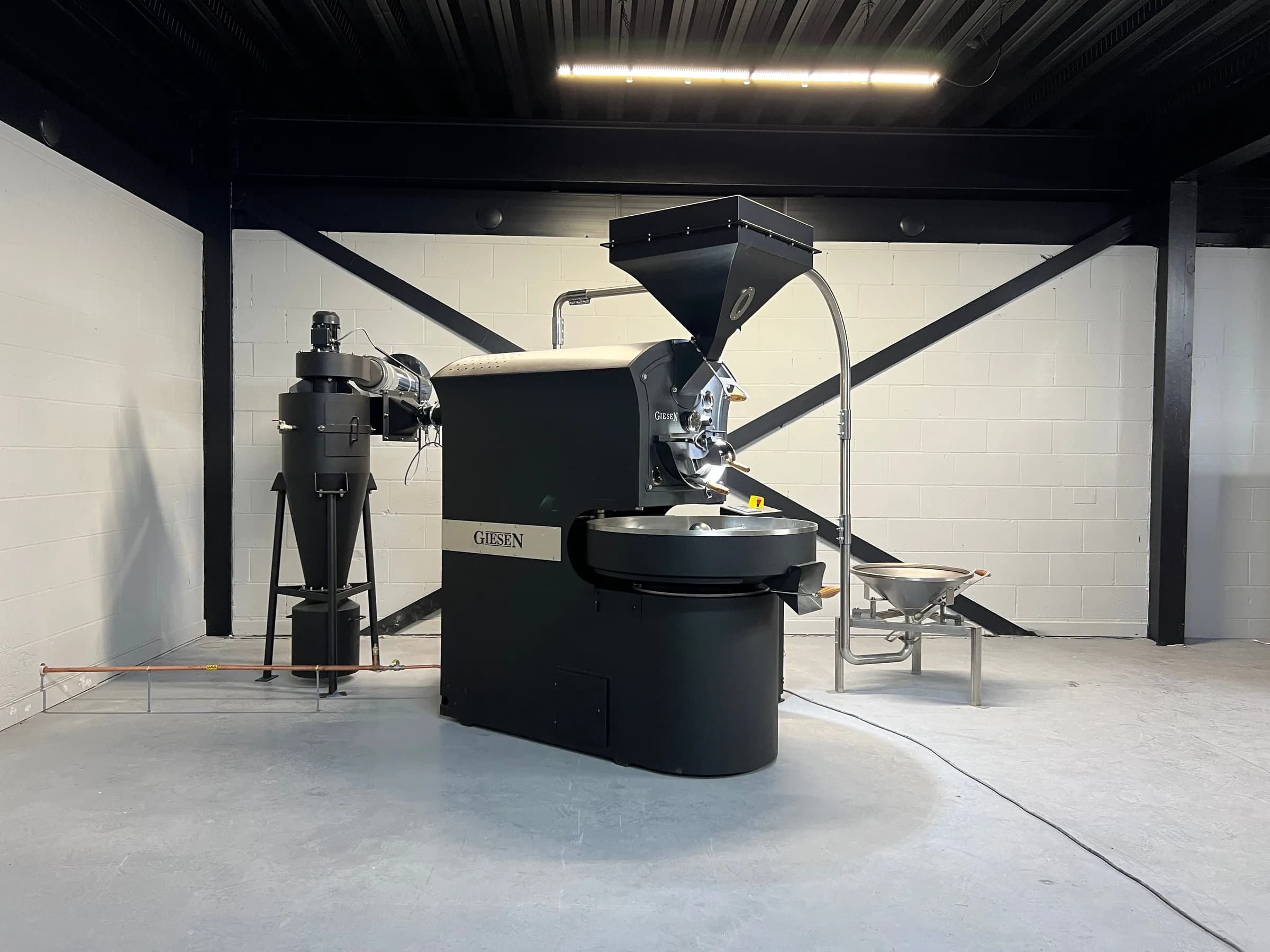
A service visit runs to time when the site is ready before the engineer arrives. Most delays we see aren't mechanical — they're a forklift blocking the loading bay, a gas isolation valve nobody can locate, or a drum that's still hot two hours after “closing.” This guide covers exactly what to check beforehand, so your visit covers the roaster, not the logistics around it.
Access and clearance
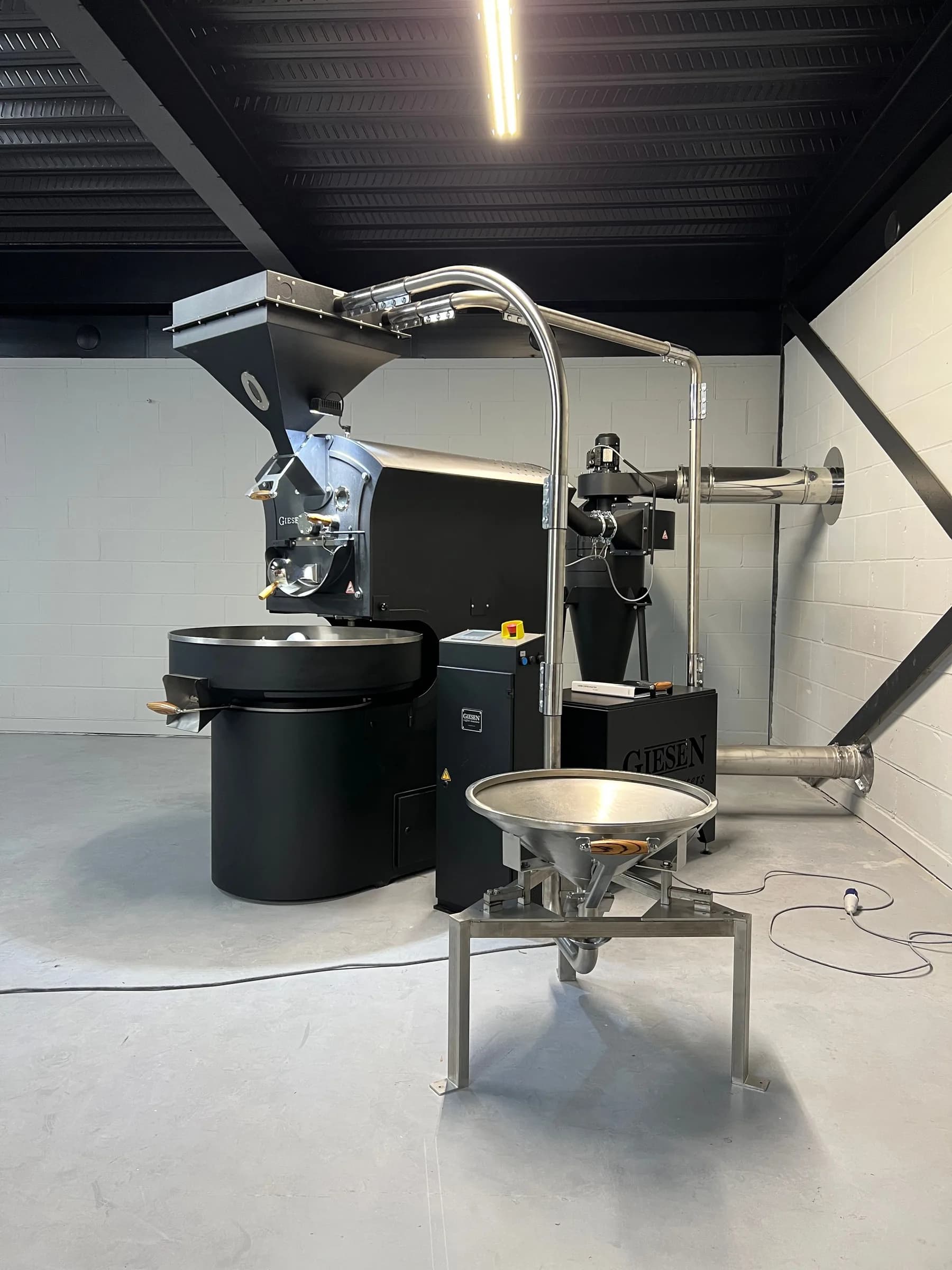
Engineers need clear floor space on all sides of the roaster, not just the front panel. As a working minimum:
- 1m of clear space on the control-panel side for diagnostics and part swaps
- 1m behind the drum housing to reach the motor and drive belt
- Unobstructed access to the flue and afterburner connection above the machine
- A clear path from the roastery entrance to the machine — no stacked pallets or sacks in the aisle
Parking and loading bay access
If your site has restricted loading bay hours or a shared yard, let us know when booking. Engineers carry parts and test equipment and need to park within a short carry of the roaster room.
Cool-down time
Drum and burner components stay hot well after your last roast finishes. Internal drum temperatures can remain above safe handling levels for two to three hours on larger machines. If you're booking a morning slot, plan your last roast the evening before, or leave the drum running empty on a low setting to cool gradually rather than shutting off mid-heat.
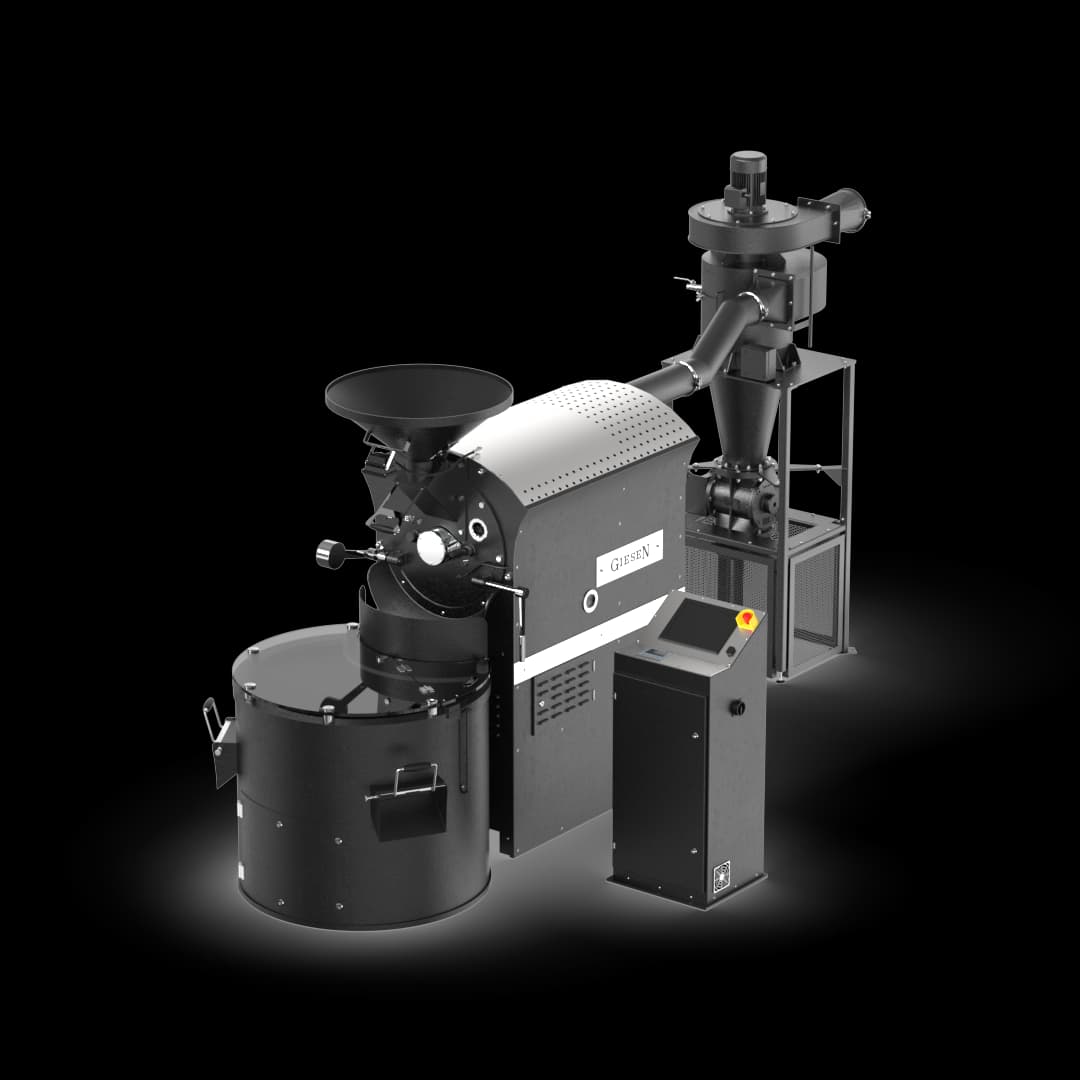
We've had to reschedule visits because a W30 was still too hot to open safely three hours after the last batch. A cooled roaster is the single biggest time-saver on the day.
Utilities and isolation
Confirm the location of your gas isolation valve and electrical disconnect before the engineer arrives — not everyone on site knows where these are, and searching for them eats into the service window. If your roaster runs on LPG, check the cylinder or bulk tank has enough supply for a live burner test.
Electrical isolation is not optional
Engineers will isolate power at the panel before opening any electrical enclosure, regardless of what the roaster's own switch shows. Make sure whoever holds site keys can grant access to the electrical room if it's locked separately.
Paperwork and records
Have your last service report and any parts invoices to hand. If a previous repair replaced a burner, gearbox or control board, that history changes what the engineer checks first. For machines still under manufacturer warranty, also have your proof of purchase available — some warranty claims require it on file.
- Last service report and date
- Any recent repair invoices or parts replaced
- Proof of purchase, if the machine is still under warranty
- Site health & safety induction, if your site requires one for visiting contractors
A five-minute pre-visit checklist
Run through this the afternoon before your booked slot — it catches almost everything that causes delays:
- Last roast finished early enough for the drum to cool
- Floor space cleared around the machine and along the access route
- Gas and electrical isolation points located and accessible
- Loading bay or parking confirmed for the engineer's arrival time
- Service history and warranty paperwork gathered
Book your next service before the engineer leaves
Sites on an annual schedule get priority slots. Ask your engineer to pencil in the next visit while they're on site — it's easier to move a booked date than to find a free one later.
Book ahead of your next visit
Ready to schedule a service?
Tell us your roaster's model, age and usage and we'll recommend a service schedule and find a slot around your roasting calendar.
Keep reading
Related articles
 Maintenance & Servicing
Signs Your Coffee Roaster Needs Immediate Repair
The difference between a noise that can wait for your next scheduled service and one that means stop roasting today.
22 March 2026 · 6 min read
 Buying Guides
How to Choose the Right Roaster Capacity for Your Business
Batch size looks simple on a spec sheet until it meets your actual weekly volume. Here's how to size a roaster against real demand, not projected demand.
18 May 2026 · 6 min read
 Buying Guides
Financing a New Roaster: Lease vs Purchase
Both routes get you a working roaster. The right one depends on your cash flow, tax position and how long you plan to keep the machine.
28 January 2026 · 6 min read